

Choosing the right metal cutting technology can significantly impact work efficiency and quality. Modern methods, such as plasma and laser cutting, offer advanced metalworking capabilities that differ in many respects. What is plasma cutting like, and what about laser cutting? Which technology will be best for your business? In this article, we outline the characteristics, advantages and disadvantages of both methods, as well as their applications, to help you make an informed decision. We encourage you to read on.
Choosing the right metal cutting technology can significantly impact work efficiency and quality. Modern methods, such as plasma and laser cutting, offer advanced metalworking capabilities that differ in many respects. What is plasma cutting like, and what about laser cutting? Which technology will be best for your business? In this article, we outline the characteristics, advantages and disadvantages of both methods, as well as their applications, to help you make an informed decision. We encourage you to read on.
What is laser cutting?
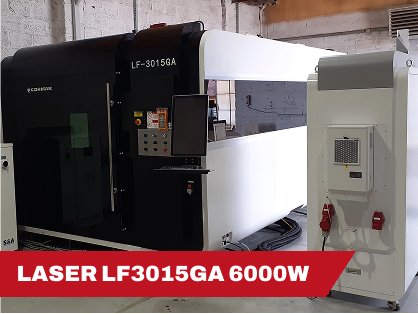
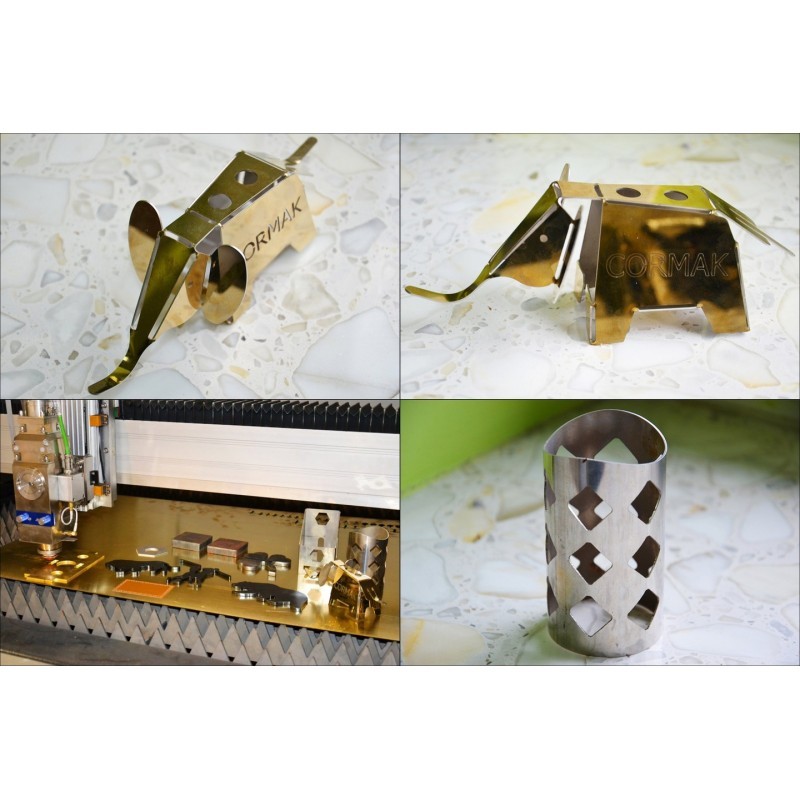
Laser cutting is an advanced material processing technology that involves the use of a focused laser beam to precisely cut metals and other materials. The cutting process takes place by directing an intense laser beam onto the surface of the material, causing it to melt, vaporise or burn locally. This results in extremely precise and smooth cut edges. Examples of laser cutting applications are readily found in the automotive, electronics and aerospace industries, as well as in the manufacture of precision components, where high quality, accuracy and precision of cutting are paramount.
What is plasma cutting?
Plasma or laser cutting? Let’s start with the first method. Plasma cutting is a modern technology used for the precise and rapid cutting of metals. This process involves the use of ionised gas, known as plasma, which is generated by an electric current passing through gas (usually air) in a plasma torch. This process creates a very high-temperature plasma jet that melts the metal and blows away the molten material, producing accurate and clean cuts. Examples of plasma cutting applications? It is widely used in the construction, automotive, shipbuilding and manufacturing industries, where high-quality and efficient metal processing is required.
Plasma or laser cutting — a comparison of cutting technologies
When comparing laser and plasma cutting technologies, several key aspects should be noted. The accuracy and precision of the cut are significantly higher with laser cutting, making it the ideal solution for working with complex shapes. The thickness and types of materials that can be cut differ between the two technologies — plasma cutting works better with thicker materials, whilst laser cutting is more effective with thinner sheets and precision components. Cutting speed is generally higher with laser cutting, making it the preferred technology in cases where time is a critical factor. Operating costs also differ — plasma cutting is generally cheaper to use, whilst laser cutting, despite higher operating costs, offers a better finish and less material waste.
What other advantages, disadvantages and differences between plasma and laser cutting are worth considering?
-
Plasma cutters are usually lighter than lasers, making them easier to use in various work environments.
-
Edges after plasma cutting may require additional processing to achieve the desired finish quality.
-
Laser systems integrate easily with automated CNC control systems, allowing for more automated and efficient production.
-
Purchasing laser equipment requires a higher initial financial outlay, which can be a barrier.
Laser or plasma cutting — how to choose the right cutting method?
The choice of the appropriate metal cutting method, whether plasma or laser, should be based on several key factors. First and foremost, a thorough analysis of the project’s needs and requirements is essential. You should consider what the priorities are in terms of cutting accuracy and precision, as well as what types of materials will be processed. Another important aspect is the budget and operating costs. It is also important to consider the specific nature of the projects. The decision should be made taking all these factors into account in order to optimally adapt the cutting method to individual needs and capabilities.
It is worth finding out more about laser and plasma cutting and finding the ideal machine for your needs. Our range includes:
Plasma or laser? We’d be happy to advise you. Industrial machinery manufacturer Cormak invites you to get in touch and place your orders.
