

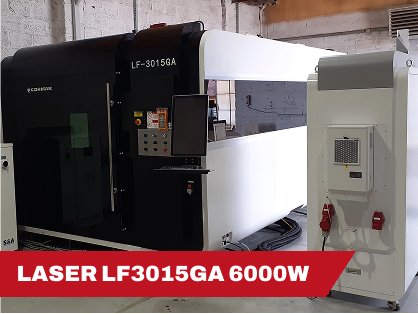
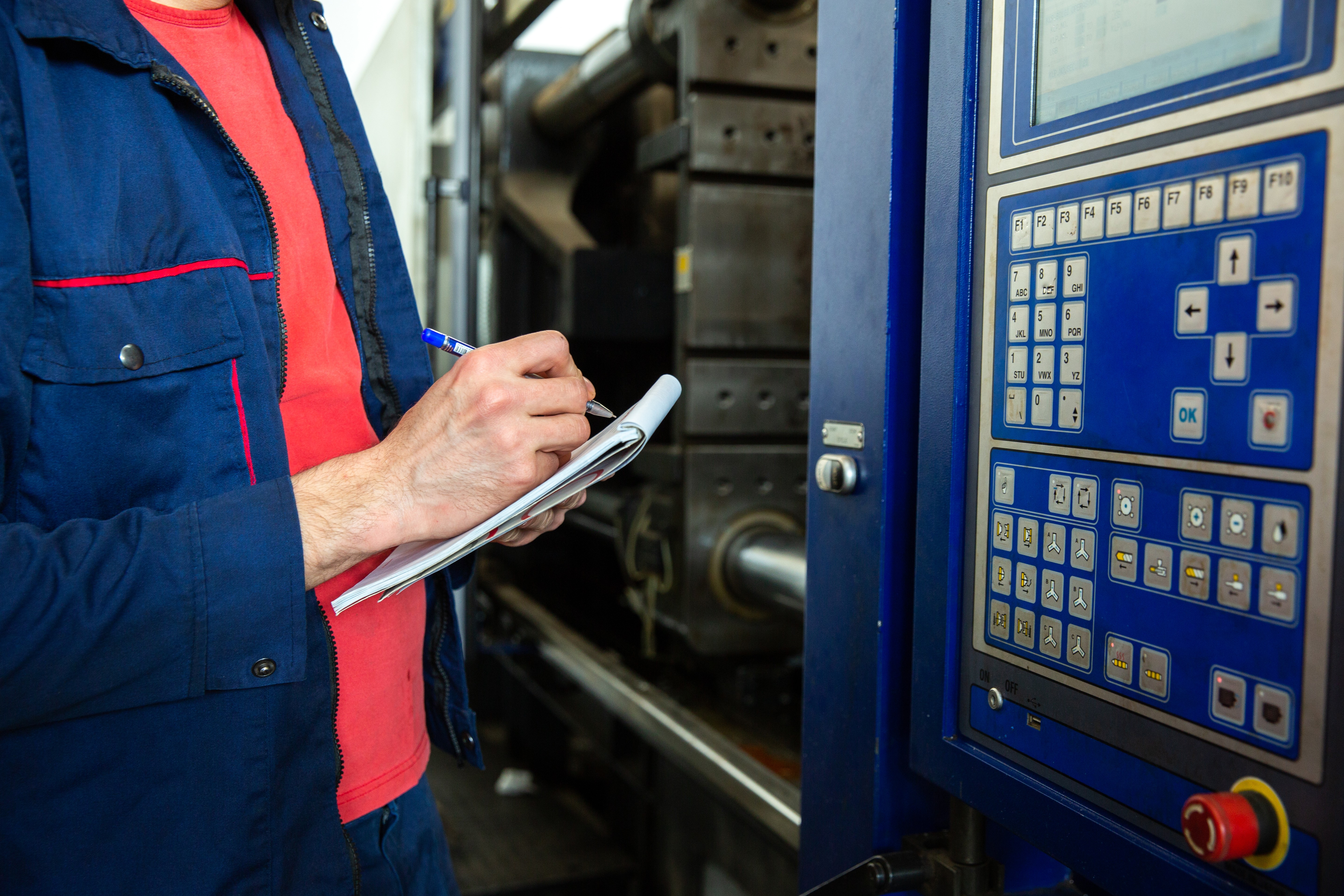
CNC (Computer Numerical Control) machining centres for metal are advanced machines that have revolutionised modern metalworking. Thanks to their ability to cut, drill, mill and turn with precision, these centres are an indispensable part of industrial, automotive, aerospace and many other sectors.
An Introduction to CNC Metal Machining Centres
CNC (Computer Numerical Control) machining centres for metal are advanced machines that have transformed the face of modern metalworking. Thanks to their ability to cut, drill, mill and turn with precision, these centres are an indispensable part of industrial, automotive, aerospace and many other sectors.
What is a CNC Machining Centre?
A CNC machining centre is a computer-controlled machine that automates and standardises metalworking processes. Through the use of computer software, CNC centres can perform complex machining operations with exceptional accuracy and repeatability, which is difficult to achieve with traditional machining methods.
Key Features of CNC Machining Centres
• Programmability: Programming of tool paths and machining parameters via specialised software.
• Automation: The machine can operate without direct human supervision, often for long periods.
• Multitasking: The ability to perform a wide range of machining operations on a single machine without the need for manual changes to settings or tools.
• Precision: High machining accuracy, which is critical in many technical and engineering applications.
How Does a CNC Machining Centre Work?
The operation of a CNC machining centre begins with the creation of a part design in CAD (Computer-Aided Design) software. Next, using CAM (Computer-Aided Manufacturing) software, this design is converted into specific machining instructions, which are sent to the machine. The machine, interpreting these instructions, precisely manipulates the cutting tool to achieve the desired shape and dimensions of the part.
Applications of CNC Machining Centres in Industry
CNC machining centres are extremely versatile and are used across a wide range of industries:
• Aerospace: Manufacturing of complex components requiring the highest precision.
• Automotive: Machining of automotive parts, such as engines and gearboxes.
• Medical equipment manufacturing: Production of surgical instruments and implants.
• Heavy engineering: Manufacturing of large machine components and structures.
Benefits of Using CNC in Metal Machining
• Increased productivity: CNC enables faster and more efficient production processes.
• Reduction in errors: Automation minimises the risk of human error.
• Production flexibility: The ease with which CNC machines can be adapted to new designs and changes in specifications.
• Material savings: Precision machining reduces material waste.
Questions and Answers
What are the challenges associated with maintaining CNC machining centres?
• Challenges include the need for regular servicing, software updates and operator training, which are crucial for maintaining high machine efficiency.
Are CNC centres expensive to buy and run?
• The purchase cost of CNC centres can be high, but their operational efficiency and the savings resulting from reduced errors and shorter production cycles often offset these expenses in the long term.
Are there alternatives to CNC in metalworking?
• Traditional machining methods are still in use, but they do not offer the same precision and efficiency as CNC machines.
CNC metal machining centres are an invaluable tool in modern industry, offering not only high precision and efficiency but also the ability to handle the most demanding projects. Their role in the future of industrial manufacturing will continue to grow alongside technological advances and increasing market demands.
